The Future of Video Agents is Here#
We're thrilled to highlight an exciting new hands-on course that showcases Pixeltable's power in building production-ready multimodal agents. Miguel Otero Pedrido from The Neural Maze and Alex Razvant from Neural Bits have launched Kubrick - a comprehensive course on building multimodal video agents using the Model Context Protocol (MCP).
"Every tool under the hood is powered by a library called Pixeltable. Pixeltable handles incremental storage, transformation, indexing, and orchestration for multimodal data, which made it a perfect match for Kubrick, since we're working with video, images, and audio."
Miguel Otero Pedrido, The Neural Maze
Why Video Agents Matter#
Video agents represent the next frontier in AI applications. Unlike traditional text-based agents, video agents can:
- Answer specific questions about video content ("What's Morty's T-shirt color?")
- Clip scenes based on user queries ("Show me the clip where HAL says 'I'm sorry Dave'")
- Find scenes using image similarity (upload an image to find similar video frames)
- Process multimodal context (video, audio, images, and metadata together)
How Pixeltable Powers Kubrick#
The course demonstrates why Pixeltable's declarative multimodal infrastructure is ideal for video agent development:
Declarative Video Processing#
Instead of hand-coding complex video processing logic, Pixeltable's abstractions handle:
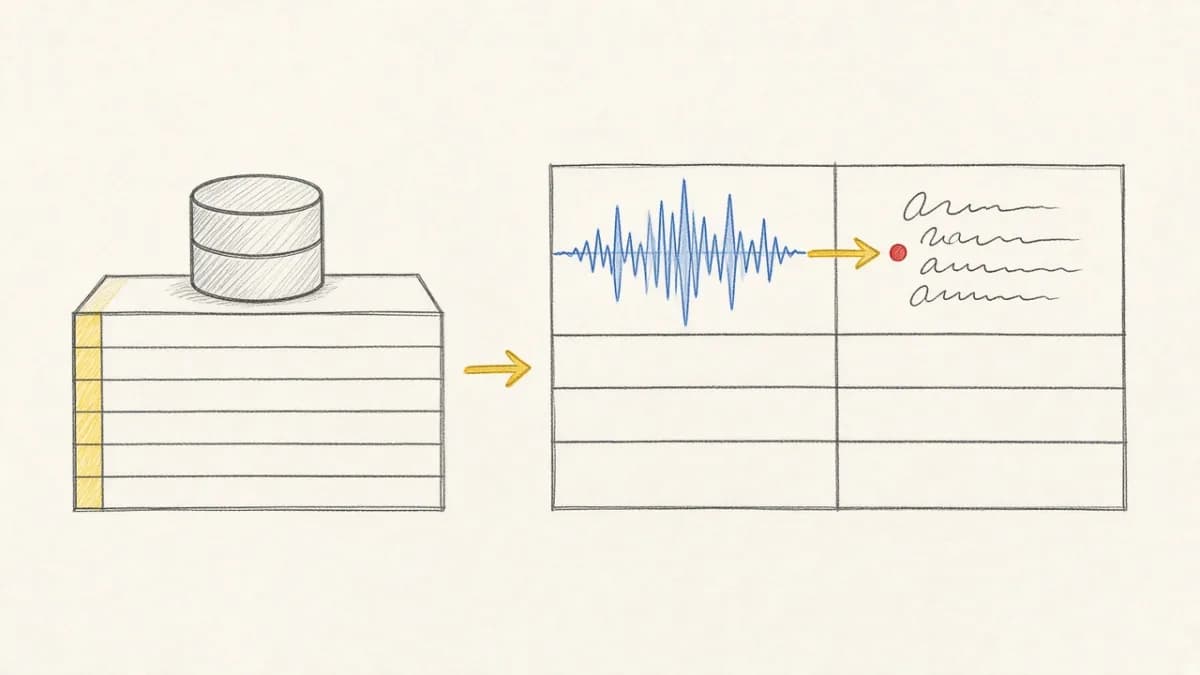
- Automatic frame extraction from video files
- Audio transcription with built-in AI functions
- Embedding generation for semantic search
- Incremental updates when new videos are added
Seamless MCP Integration#
The course shows how to build a production-ready MCP server that exposes Pixeltable's capabilities as standardized tools, making video processing accessible to any MCP-compatible application.
Stateful Agent Architecture#
Kubrick demonstrates using Pixeltable as the persistence layer for stateful agents, enabling continuous learning and memory across conversations.
Three-Component Architecture#
The course breaks down Kubrick's architecture into three main components:
1. MCP Server for Video Processing#
Built from scratch using FastMCP, with all tools powered by Pixeltable's multimodal capabilities.
2. Agentic API with MCP Clients#
A FastAPI application that creates stateful agents, using Pixeltable for persistence and Opik for observability.
3. HAL 9000-Inspired UI#
A sleek interface that brings the video agent to life, complete with a video library for browsing processed content.
Why This Course Matters for Pixeltable Users#
This course is a perfect real-world example of building production-ready AI agents with Pixeltable. It demonstrates:
- How to leverage Pixeltable's declarative approach for complex multimodal workflows
- Integration patterns with modern AI frameworks and protocols
- Best practices for building scalable, maintainable agent architectures
- Real-world applications beyond simple demos
Ready to Build Your Own Video Agent?#
Whether you're interested in following the Kubrick course or building your own video agents, Pixeltable provides the foundation you need:
The complete course covers everything from MCP server development to custom observability layers. It's an excellent resource for anyone looking to understand how Pixeltable enables sophisticated multimodal AI applications.