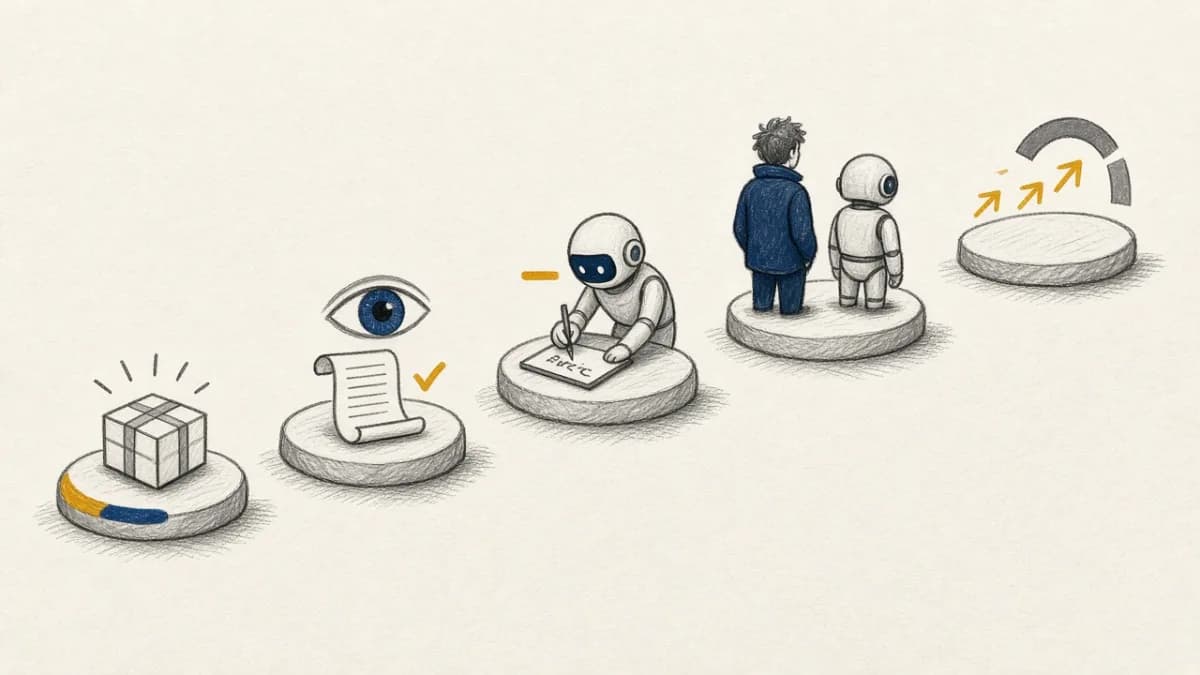
The Flat Namespace Problem: When AI Projects Outgrow Simple Tables#
You start with a few tables: images, videos, documents. Simple, clean, manageable. Six months later, your team has 47 tables with names like images_v2_final, video_analysis_test_dont_delete, and experimental_embeddings_sarah. Finding anything requires grep-ing through table lists. Team members accidentally overwrite each other's work. New engineers spend days just understanding the structure.
Sound familiar? This is the inevitable fate of AI projects that outgrow flat table namespaces without adopting proper organization patterns.
Pixeltable's directory system solves this by bringing hierarchical organization to your AI infrastructure, enabling teams to structure projects clearly, collaborate safely, and scale from prototype to production without descending into chaos.
Directory Fundamentals: Hierarchical Organization#
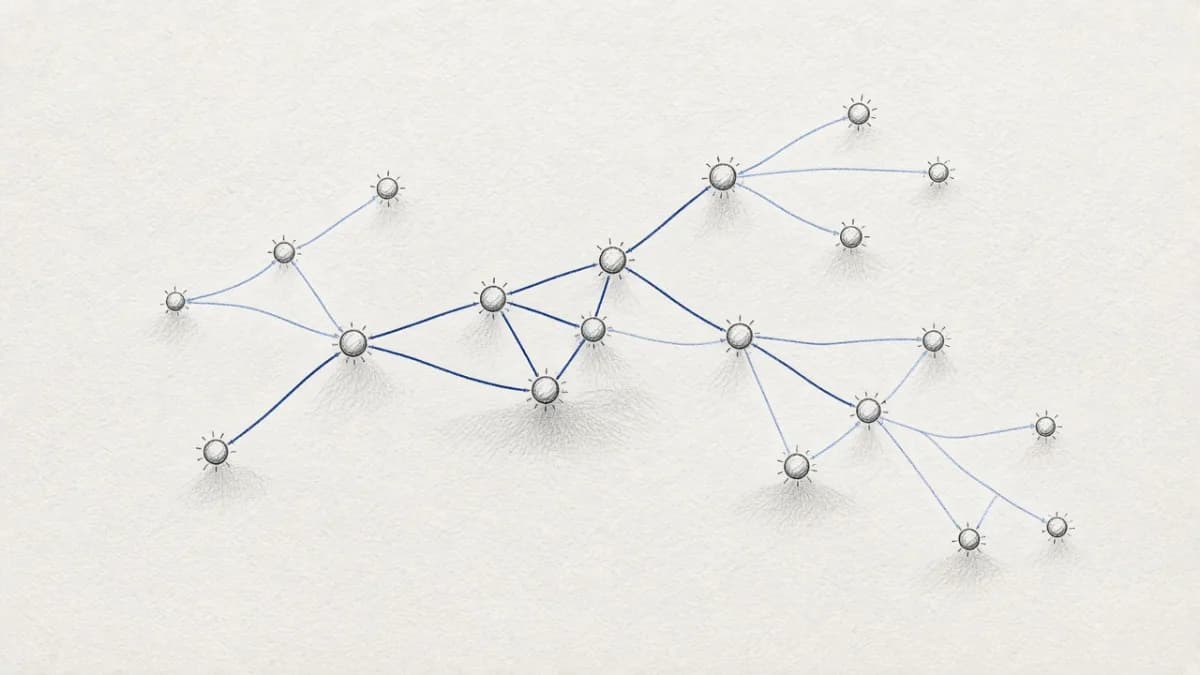
Directories in Pixeltable work like file systems: they provide hierarchical namespaces for organizing tables, views, and other directories. But unlike simple folders, Pixeltable directories are database objects with versioning, permissions, and intelligent dependency management.
Creating Directories#
Directory Path Syntax#
Pixeltable uses dot notation for hierarchical paths, making organization intuitive:
Team Collaboration Patterns#
Pattern 1: Environment Separation#
Separate production, staging, and experimental workloads cleanly:
Pattern 2: Project-Based Organization#
Structure directories by product or project for multi-project teams:
Pattern 3: Team Workspaces#
Give each team their own workspace while sharing common resources:
Advanced Organization Patterns#
Pattern 4: Versioned Project Directories#
Manage different versions of AI projects with directory-based versioning:
Pattern 5: Feature Branch Directories#
Implement Git-like feature branching for AI experiments:
Real-World Organization Examples#
Autonomous Vehicle ML Team#
How a 50-person ML team structures their autonomous vehicle datasets:
Healthcare AI: Compliance-Driven Organization#
Structure for regulated industries requiring audit trails and data governance:
Migration from Flat to Hierarchical#
Gradual Migration Strategy#
Migrate existing flat structures without breaking production systems:
Best Practices for Directory Organization#
Naming Conventions#
- Lowercase with underscores:
video_analysisnotVideoAnalysisorvideo-analysis - Descriptive names:
production.customer_support.kbnotprod.cs.k - Avoid deep nesting: Maximum 3-4 levels deep for usability
- Consistent terminology: Decide on
rawvssource,processedvstransformed - Version explicitly:
models.v2notmodels.newormodels_latest
Recommended Directory Structures#
By Environment#
By Team#
By Data Pipeline#
Production Workflow Example#
Complete Enterprise Structure#
Here's a real-world example from a computer vision company:
Directory Operations and Management#
Listing Directory Contents#
Archiving and Cleanup#
Permission and Access Control Patterns#
Directory-Level Permissions#
Organize directories to align with team permissions:
Documentation and Discovery#
Pattern: Directory README Tables#
Document directory purposes with metadata tables:
Directory Automation and Tooling#
Template Project Creation#
Automate creation of new projects with standard structure:
Directory-Based Monitoring and Governance#
Directory Usage Analytics#
Case Study: From Chaos to Structure#
A media company's journey organizing 100+ tables:
"We had 127 tables with no organization. Finding anything required asking in Slack 'does anyone know where the video embeddings are?' After implementing directory structure, new engineers can navigate our entire AI infrastructure in their first week. Table discovery time went from hours to minutes."
Before and After#
CI/CD Integration for Directory Management#
Automated Directory-Based Deployment#
Conclusion: Structure Scales#
As your AI projects grow from prototypes to production systems, proper organization becomes critical. Pixeltable's directory system provides the hierarchical structure needed for enterprise-scale AI infrastructure, enabling:
- Team Collaboration: Clear ownership and isolated workspaces
- Environment Separation: Production, staging, and development isolation
- Governance: Permission management at directory level
- Discoverability: Logical organization replaces tribal knowledge
- Scalability: Structure that grows from 10 to 1000+ tables
Stop fighting flat namespace chaos. Implement hierarchical organization patterns that make AI projects manageable, discoverable, and scalable. Combined with automatic versioning and dependency tracking, directory structure becomes the foundation of maintainable AI infrastructure.
Master Project Organization#
- create_dir SDK Reference: Official documentation
- Data Management Crisis Guide: Why organization matters
- ML Engineer Dataset Management: Real-world organization examples
- Your First Pixeltable Project: Get started with basics
- Pixeltable on GitHub: Organization examples
- Join our Discord: Share your organization patterns
Structure today, scale tomorrow. Build AI projects that teams can actually navigate. 📁